
Skiing in Gastein — Austria's High-Alpine Winter Playground
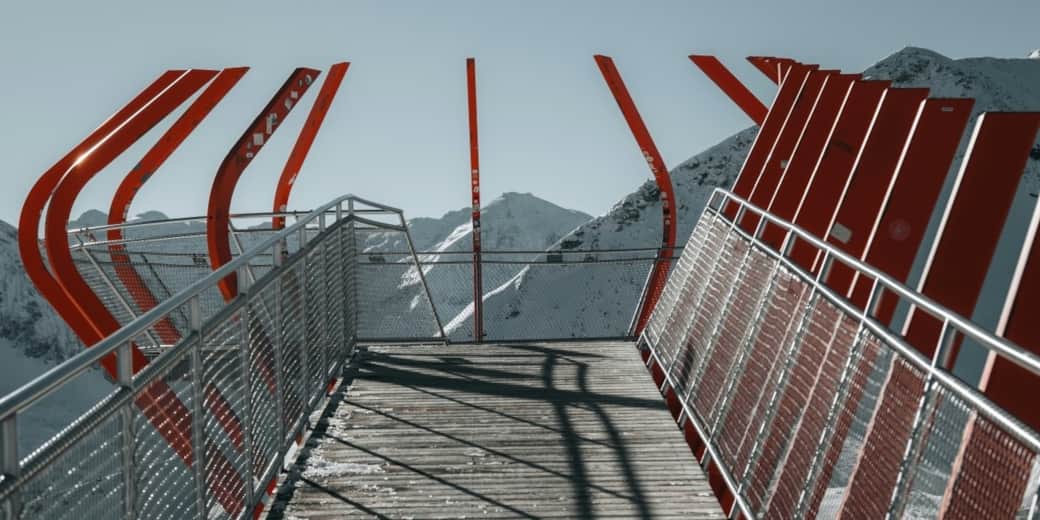
Gastein is one of Austria's most complete ski destinations. As the highest ski region in the entire Ski amadé network, the Gastein ski resort area spans the length of the Gasteiner Valley in Salzburger Land, rising from charming spa villages to high-alpine terrain at 2,650 metres. Four ski areas with over 200 kilometres of slopes — on five ski mountains across Bad Gastein, Bad Hofgastein and Dorfgastein — make up a skiing holiday in Gastein that works for advanced freeriders, families and après-ski lovers alike.
The Gastein Ski Areas
Schlossalm–Angertal–Stubnerkogel forms the beating heart of Bad Gastein skiing. The largest ski area in the Gastein ski region, it covers around 83 kilometres of piste and connects Bad Gastein with Bad Hofgastein. The legendary Hohe Scharte Nord run — 8 km long with a 1,440 m vertical drop — is the greatest altitude difference in all of Salzburger Land.
Sportgastein is a must for powder hunters and spring skiers. Reaching altitudes of up to 2,650 metres above sea level, it offers ski runs with more than 1,000 metres of total elevation across varying difficulty levels, with a guaranteed natural snow base well into spring.
Graukogel is the valley's hidden gem for experienced skiers. Running entirely on natural snow, it offers 14 kilometres of ski runs through a stone pine forest, with lift operation from Thursday to Sunday and a quiet, unhurried atmosphere far from the main crowd.
Dorfgastein–Grossarltal connects the lower valley across into a neighbouring valley, offering wide, sun-drenched slopes well-suited to those still building confidence on the mountain.
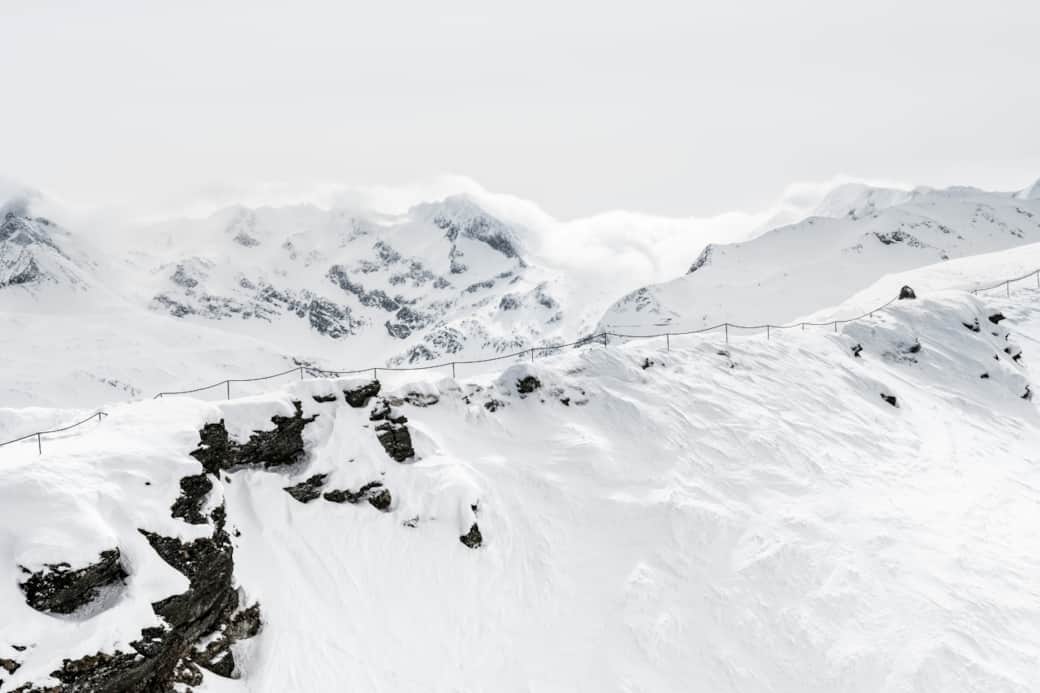
Freeride Skiing in Bad Gastein
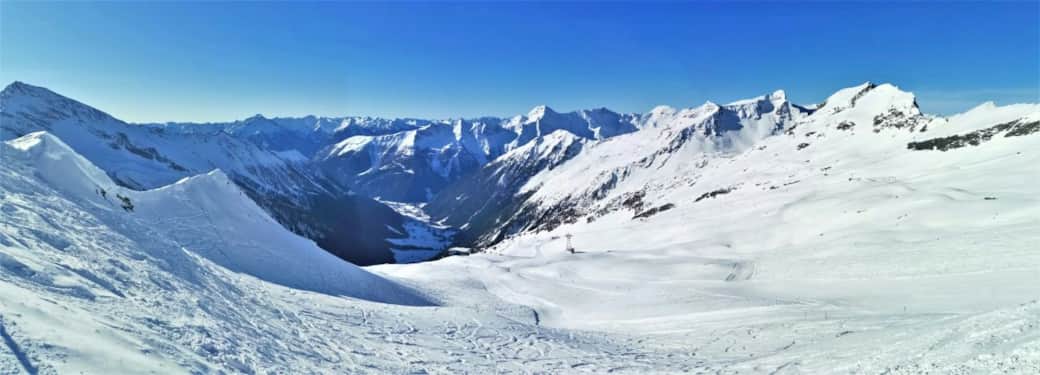
Bad Gastein is known as a freeride hotspot within Austria — the mountains offer expert powder skiers wide northern slopes, fast tree runs, gullies and big mountain descents. The Stubnerkogel attracts the freeride crowd with good options near the Jungeralm, while Schlossalm offers lift access to many of its best off-piste descents. Sportgastein, with its marked ski routes and waist-deep natural snow, rounds out the picture for those seeking powder skiing in Gastein at its purest.
Family Skiing in Gastein
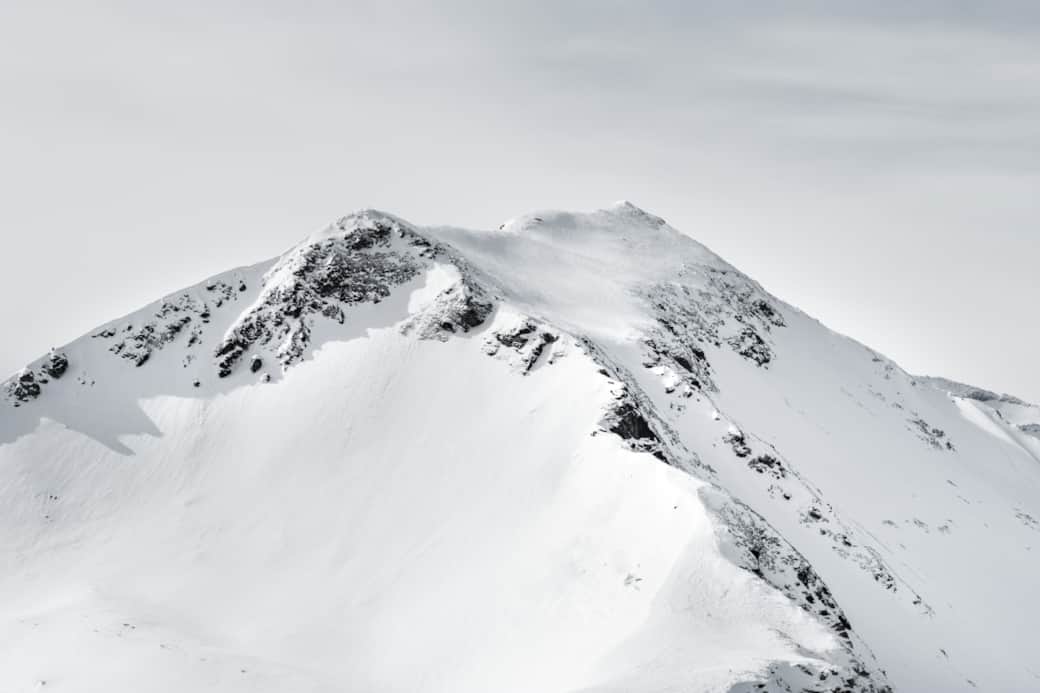
The Gastein ski resort is exceptionally well set up for families. The XXL Gasti Snow Park in Angertal spans more than 10,000 square metres, with six conveyor belts, a drag lift, a mini fun slope, a mini Skimovie trail and a large winter playground — all next to a ski school and rental shop. Two further Gasti Snow Parks are located at the valley station of the Stubnerkogel cable car in Bad Gastein and in Dorfgastein.
Children up to 6 years of age ski free of charge across all Gastein ski areas. The family ski pass Gastein promotions via Ski amadé offer additional savings on multi-day tickets throughout the season.
Après-Ski in Bad Gastein
When the lifts close, the valley shifts gear. In Bad Hofgastein and Bad Gastein, the après-ski scene begins right on the pistes, where mountain huts and umbrella bars invite skiers to stop for a drink before heading into the village. The evenings offer everything from lively bars and clubs to quieter dining in the Belle Époque town centre. For full relaxation, the Felsentherme thermal spa offers warm thermal pools — a natural complement to a day on the slopes. Tobogganing on one of the night toboggan runs in Bad Gastein or Bad Hofgastein is also a popular way to end the day, especially for families.
Ski Pass & Season Information
The Gastein ski pass is available as a standalone valley pass or as part of the wider Ski amadé network, which unlocks access to 760 km of pistes across Salzburger Land. The main ski season runs from late November through to mid-April, with Sportgastein open into late April. Lift hours are generally 8:30 am to 4:00 pm. Book your ski pass online in advance for the best early-bird prices.
Thermal Spa in Bad Gastein — Felsentherme
There are few better ways to end a day on the slopes than stepping into the warm, mineral-rich waters of the Felsentherme Bad Gastein. Built directly into the rock face in 1968 as the first public thermal bath in Austria, this iconic spa sits at over 1,100 metres above sea level and is considered both an architectural landmark and an insider favourite among wellness enthusiasts. Best of all — it's just a short walk from our rentals.
Austria's First Public Thermal Spa
The Felsentherme sits in the heart of Bad Gastein, nestled within the majestic Hohe Tauern at 1,100 metres above sea level — combining tradition and modernity in its unique rock-carved architecture. Over one million litres of fresh Gastein thermal water flow through the pools every single day, sourced directly from the surrounding mountain springs — meaning chemical additives like chlorine are barely needed. The result is exceptionally clean, naturally mineral-rich water that genuinely feels different from a standard pool.
Practical Information
The Felsentherme is open Monday to Wednesday and Sunday from 09:00 to 21:00, Thursday to Saturday from 09:00 to 22:00.
Prices (2025/2026 season): A full day ticket including thermal spa and sauna costs €50.50 for adults and €28 for children aged 6–15. Children under 6 enter free of charge. Guests holding a Gastein Card receive a discount of €1–2 on admission. A combined Ski & Therme day ticket is also available from €79 — excellent value if you want to ski in the morning and soak in the afternoon.
Just a Short Walk from Our Rentals
The Felsentherme is one of the closest major attractions to our properties — reachable on foot in just a few minutes. No car, no bus, no planning needed. It's the kind of convenience that makes a real difference after a full day outdoors.
Summer Hiking & Cycling in Bad Gastein — and the Alpe Adria Trail
Bad Gastein is as rewarding in summer as it is in winter. The Gastein Valley offers over 350 kilometres of signposted hiking trails and 40 managed alpine inns — making it one of Salzburger Land's finest destinations for outdoor exploration on foot or by bike. Whether you're looking for a gentle valley walk with the family, a scenic cable car ascent followed by a panoramic ridge trail, or an epic multi-day cycling journey all the way to the Adriatic Sea, Gastein has a route for you.
Hiking in Bad Gastein — Something for Every Level
Casual Walkers & Families
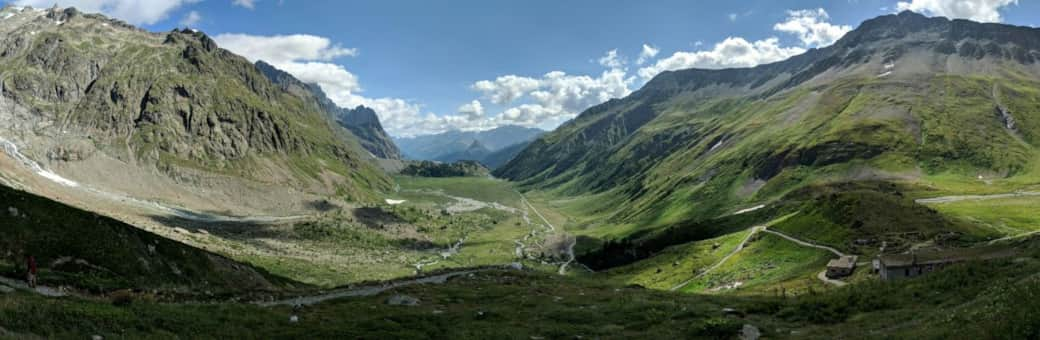
The valley loop from Bad Gastein town centre takes in the famous Gastein Waterfall, the Source Park, the Gasteiner Ache promenade and the natural Gasteiner Badesee lake — a popular swimming spot in summer and perfect for a refreshing dip before heading back. The route is flat, well-signposted and accessible by bus and train, making it ideal for families or those looking for a relaxed half-day out.
Intermediate Hikers
The Kötschachtal Valley walk is one of the most consistently praised trails in the region. Starting in the small village of Kötschachtal, the route follows the stream through meadows and dense forest, passing wild tributary streams from the higher glaciers — with the cosy Alm Prossau inn appearing seemingly out of nowhere along the way.
The Höhenweg between Bad Gastein and Bad Hofgastein is another local favourite. At around 8 km in length with a walking time of roughly 2.5 hours, it runs at mid-height above the valley with sweeping views of the Stubnerkogel opposite — and its highlight is the Gadaunerer Schlucht gorge, voted the most beautiful place in Austria in 2024 in the national "9 Places – 9 Treasures" competition.
Using the Cable Cars
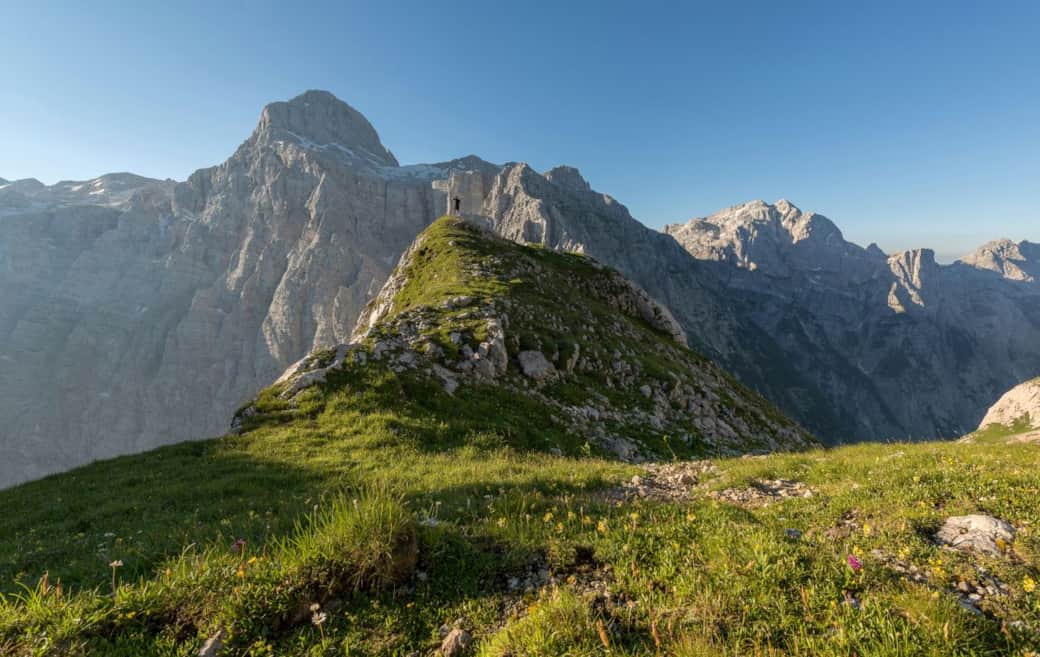
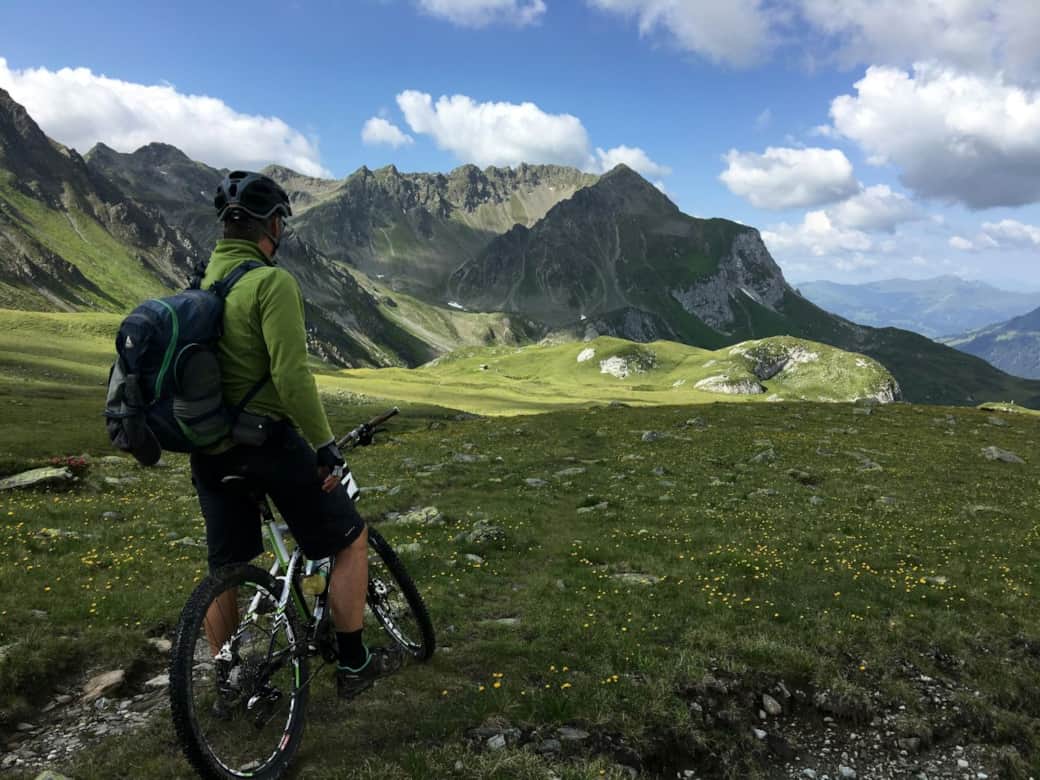
Summer cable cars give hikers a head start into the alpine heights — and with the Gastein Card, available free of charge from most accommodation providers, guests travel at reduced rates, with children under four riding free.
The Stubnerkogelbahn operates from mid-May to mid-October, the Schlossalmbahn from mid-June to early November, and the Graukogel cable car from June to October — giving access to high-altitude starting points for trails of all levels. The Graukogel in summer is particularly popular for its quiet hiking trails, unique panoramas and famous Swiss stone pine trail.
Evening Ascents
For something truly memorable, Bad Gastein runs a series of evening ascents in summer — on the Schlossalm, Stubnerkogel and Graukogel — where guests can enjoy romantic sunsets, impressive views and the special tranquillity of the mountain evening hours, accompanied by regional delicacies and live music in the huts.
The Alpe Adria Trail — From the Alps to the Adriatic
Bad Gastein sits directly on one of Europe's most spectacular long-distance routes — the Alpe Adria Trail. Stretching approximately 720 kilometres, the trail connects the Grossglockner mountain in the Austrian Alps with the Adriatic Sea in Italy, passing through three countries — Austria, Slovenia and Italy — and covering diverse landscapes from alpine peaks and Triglav National Park to Karst limestone country, Friulian vineyards and the historic coastal city of Trieste.
The Cycling Route (Alpe Adria Radweg)
The cycling version of the Alpe Adria stretches 415 kilometres from Salzburg to Grado on the Italian Adriatic, passing through Salzburger Land, Carinthia and the Friuli Venezia Giulia region of Italy. Bad Gastein features on the second stage of the classic route. Cyclists follow the Gasteiner Ache river through the green Gastein Valley, with the snow-capped Hohe Tauern mountains as a constant backdrop, before the final steep climb into Bad Gastein — a town of panoramic mountain views and Belle Époque architecture, with an impressive waterfall right in the centre.
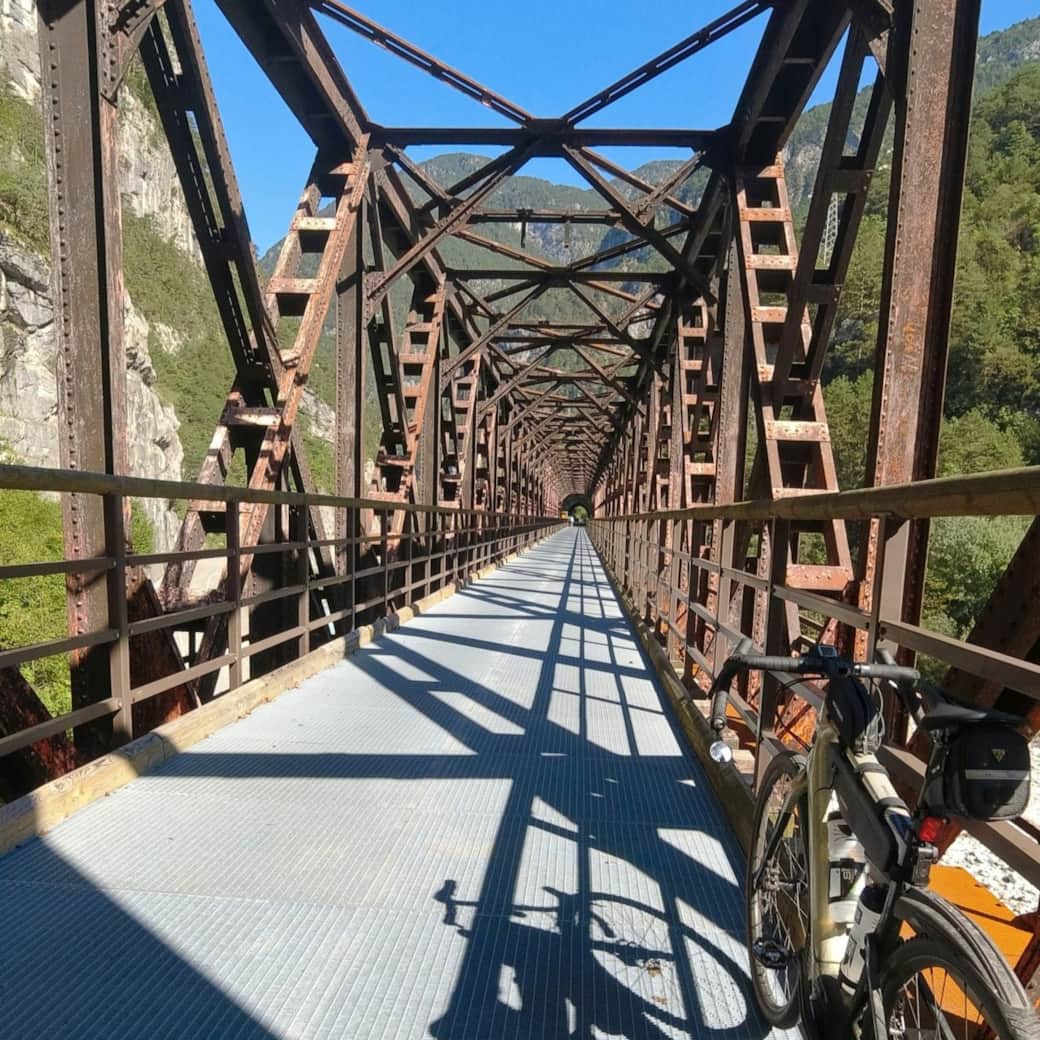
From Bad Gastein, a short ride leads to Böckstein, where a train takes cyclists through the Tauern tunnel in just 12 minutes to Mallnitz, followed by a fantastic descent into the Mölltal valley towards Villach and eventually into Italy. Between Tarvis and Resiutta, the route largely follows the old Pontebbana railway line — completely off-road, asphalted, with countless rest stops along the way.
The route is particularly well suited to families for the flatter sections from Villach southward through Friuli Venezia Giulia, with manageable daily stages, bike-friendly hotels, and reliable luggage transfer services available from specialist operators.
Practical Tips for the Alpe Adria
The main cycling season runs from May to October, with peak conditions from June to September. A comfortable touring bike or e-bike suits the route well. Bike repair stations, cafes and bike-friendly accommodation are spaced regularly along the route, and some tunnel sections require lights. The route is well marked throughout, and GPS tracks are available for download via the official Alpe Adria app.