
Things to Do in Trieste, Ontagnano & the Tuscan Maremma — Discover Friuli Venezia Giulia and Southern Tuscany
Staying near Ontagnano places you in the heart of one of Italy's most underrated and culturally rich regions. Trieste is decidedly off the international tourist trail — a city that doesn't attract the crowds that flock to Venice or Verona — yet it's one of Italy's most singular destinations, where Italian, Austro-Hungarian, Slavic, Jewish and Greek influences collide in its architecture, cuisine and street life. Pair that with the remarkable surroundings of Friuli Venezia Giulia — from UNESCO-listed star fortresses to ancient Roman ruins — and you have a base that rewards slow, curious exploration.
Further south, our apartment in Gavorrano opens up an entirely different side of Italy: the Tuscan Maremma, a wilder, quieter stretch of hilltop villages, vineyards and coastline that has stayed refreshingly free of mass tourism. Whether you're drawn to Friuli's border-crossing culture and Adriatic coast, or Tuscany's Etruscan history, wine country and thermal springs, each of our properties opens the door to a different, deeply authentic corner of Italy.
Keep your existing "Trieste" and "Ontagnano" sections unchanged right after this, then drop in the "Gavorrano & the Tuscan Maremma" section from earlier at the end. I've saved it all in the file for easy reference.
Trieste — Italy's Most Underrated City
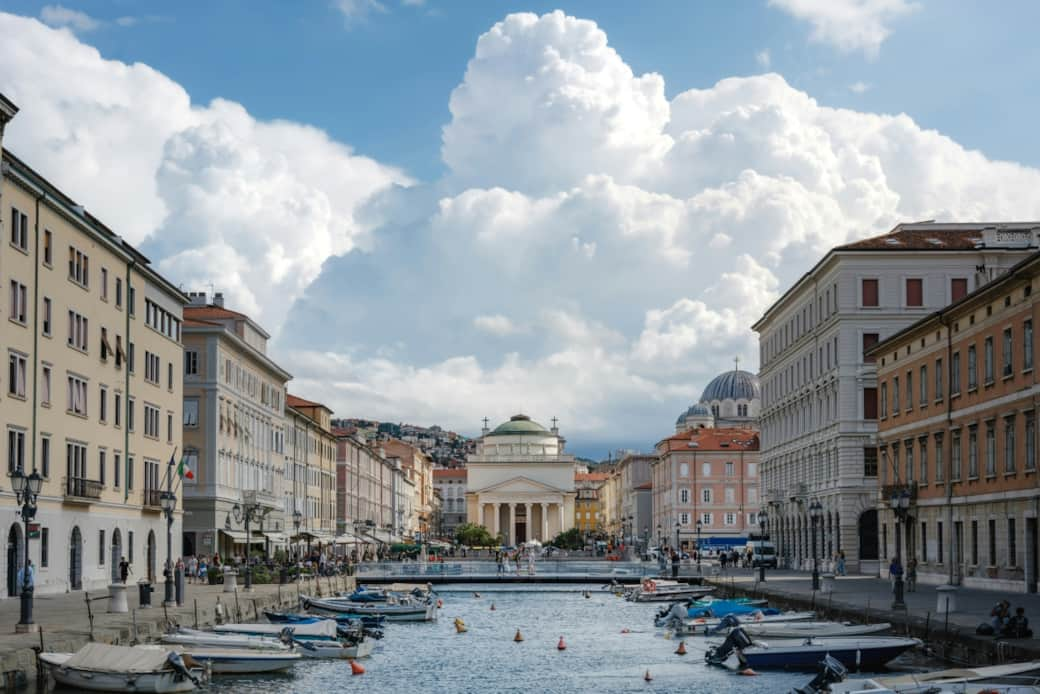
Trieste sits on Italy's farthest fringes, just edging onto the map at the top of Slovenia, yet its graceful waterfront is lined with neoclassical architecture to rival London or Athens, and the views across the blazing-blue Gulf of Trieste are considerably more eye-catching.
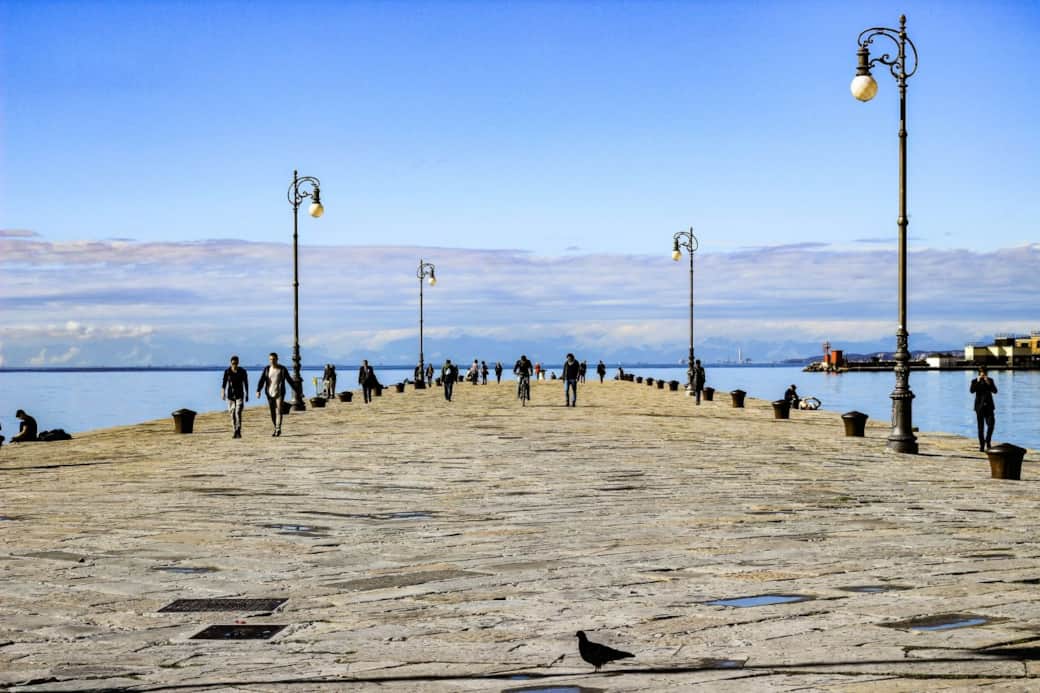
Piazza Unità d'Italia is the natural starting point. This is Europe's largest seafront square, framed by neoclassical and Austro-Hungarian buildings, alive with open-air concerts, festivals and vibrant markets attracting both locals and visitors alike. Sit at a canal-side terrace, order a traditional caffè triestino and watch the Adriatic light shift across the stone facades
San Giusto Hill rewards the short climb. The hilltop is home to both the Romanesque-Gothic San Giusto Cathedral — featuring stunning Byzantine mosaics — and San Giusto Castle, which houses a museum with historical artifacts and commanding views over the city and the Adriatic
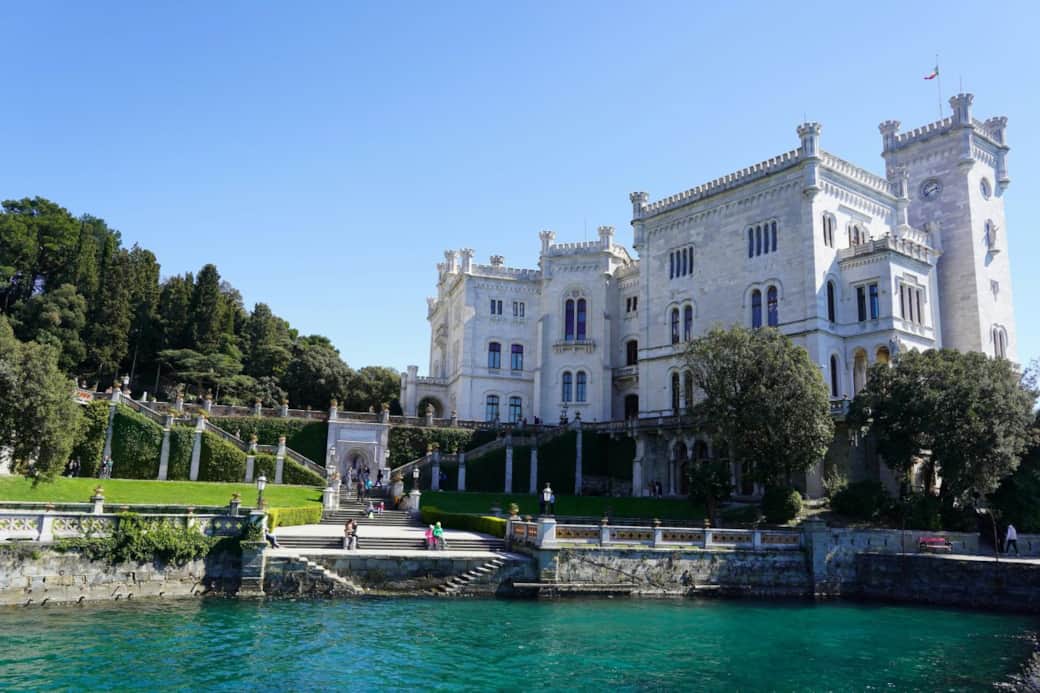
Miramare Castle is not to be missed. Built in the 19th century for Archduke Ferdinand Maximilian of Austria, this white-stone castle sits above the Gulf of Trieste, with richly decorated rooms still dressed in original furnishings and sprawling seaside gardens wrapping around the clifftop.
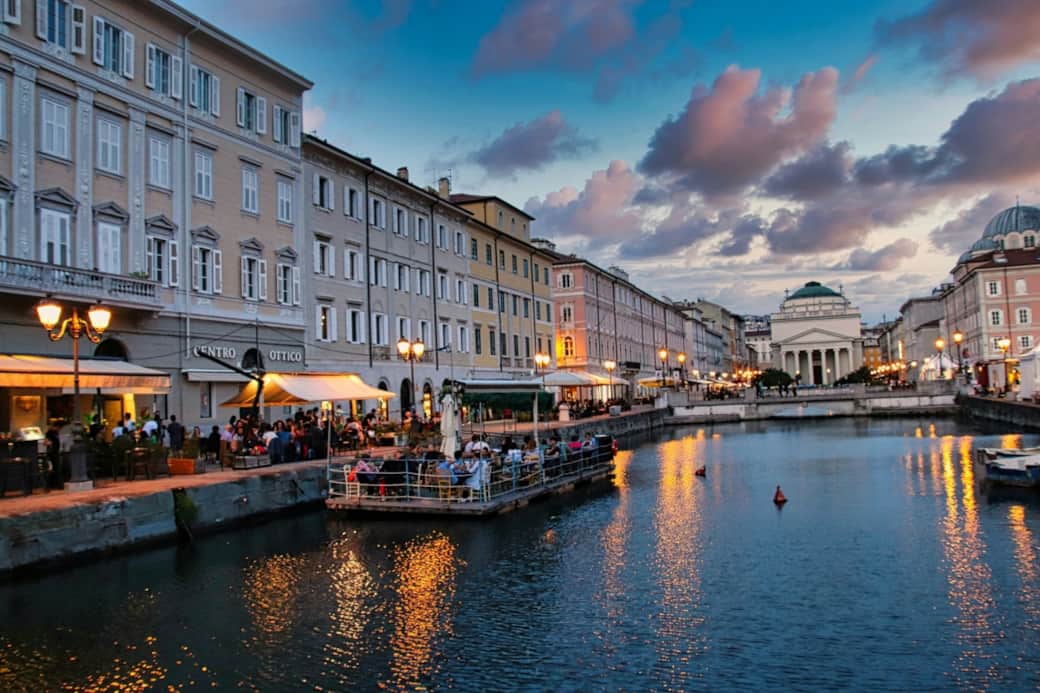
The Canal Grande & Literary Trieste offer a more intimate side of the city. The Canal Grande is lined with pastel-toned buildings and bobbing boats, and is especially photogenic at sunset — stop for a coffee beside the statue of James Joyce, a reminder of Trieste's deep literary soul. The Joyce Museum, Sveviano Museum and the legendary Caffè San Marco are among the top literary stops in what is considered one of Europe's great literary cities.
Trieste for Foodies — Trieste is considered the coffee capital of Italy. It's home to Illy's headquarters and boasts more coffee bars per square kilometre than almost anywhere else in the country. Beyond coffee, look out for jota (a hearty bean and sauerkraut soup), goulash, frico and freshly caught Adriatic seafood. For the full local experience, seek out one of the city's traditional buffets — informal eateries serving boiled meats and local wines at unbeatable prices.
Practical info: Trieste's city centre is very walkable, with most key attractions reachable on foot from the centre. The historic Opicina Tram offers a scenic route to the higher vantage points. Trieste is approximately 50 km from Ontagnano — around 45 minutes by car.
Ontagnano & the Surrounding Area — What to Explore Locally
Ontagnano is a quiet, authentic village in the Province of Udine, set in the flat agricultural landscape of Lower Friuli. It makes an ideal base for discovering several remarkable destinations within a short drive.
Palmanova — UNESCO Star Fortress (5 minutes away) is the unmissable neighbour. Built in 1593 by the Republic of Venice as a defensive bulwark, Palmanova is shaped like a nine-pointed star with three concentric rings of walls and three monumental gateways — Porta Udine, Porta Aquileia and Porta Cividale. Streets radiate symmetrically from the vast hexagonal Piazza Grande, and the intact city walls and bastions are perfect for a scenic walk or bike ride around the perimeter. Palmanova has been a UNESCO World Heritage Site since 2017 and can be explored comfortably in half a day.
Aquileia — Ancient Rome's Forgotten Capital (20 minutes away) is one of Italy's most important archaeological sites and another UNESCO World Heritage designation. The town preserves impressive Roman ruins, and its Patriarchal Basilica contains some of the most spectacular early Christian mosaic floors in the world. The National Archaeological Museum completes the picture for history lovers and families alike.
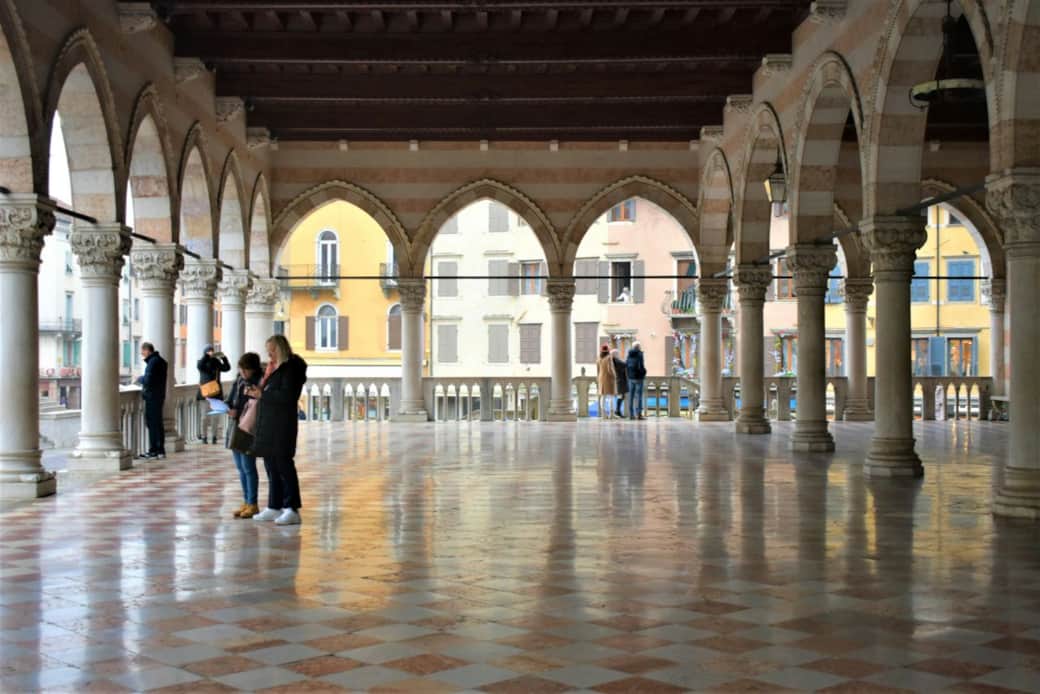
Udine — The Elegant Regional Capital (20 minutes north) is worth a half-day visit. Stroll through cobbled alleys, visit Casa Cavazzini for contemporary art, and soak up the atmosphere of Piazza Libertà — often called the most beautiful square outside Venice. Udine is also the gateway to the Colli Orientali wine region, where crisp Friulano, Ribolla Gialla and Refosco can be tasted at family-run wineries in the surrounding hills.
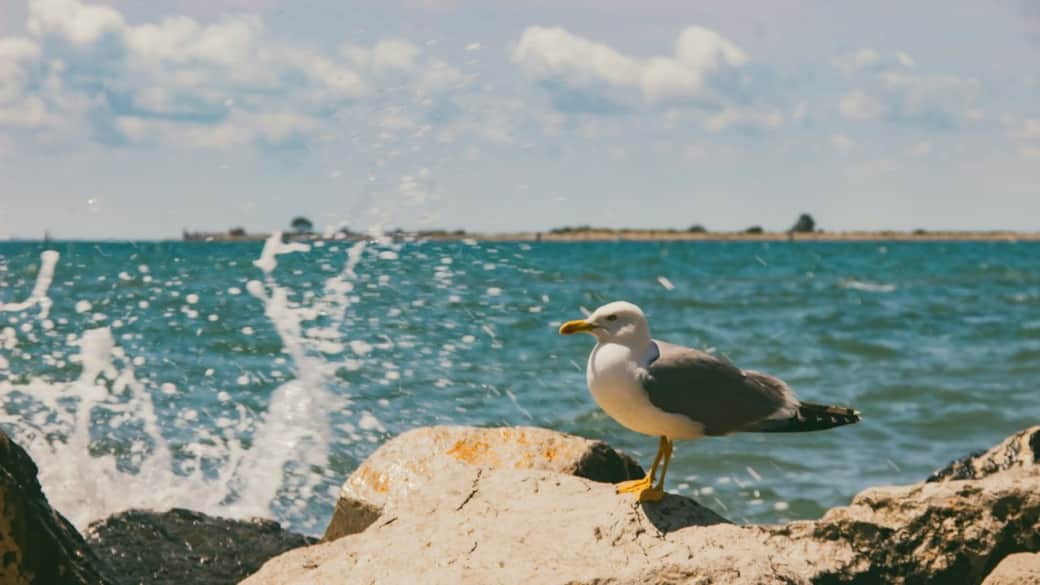
Grado — The Lagoon Island (30 minutes south) is a popular family destination on the Adriatic coast, with sandy beaches, a charming old town and a sheltered lagoon perfect for paddling and water sports. The western Adriatic coast offers sandy beaches and popular resorts at Lignano Sabbiadoro and Grado — the most visited coastal destinations in the region.
Gavorrano & the Tuscan Maremma — Discover Southern Tuscany
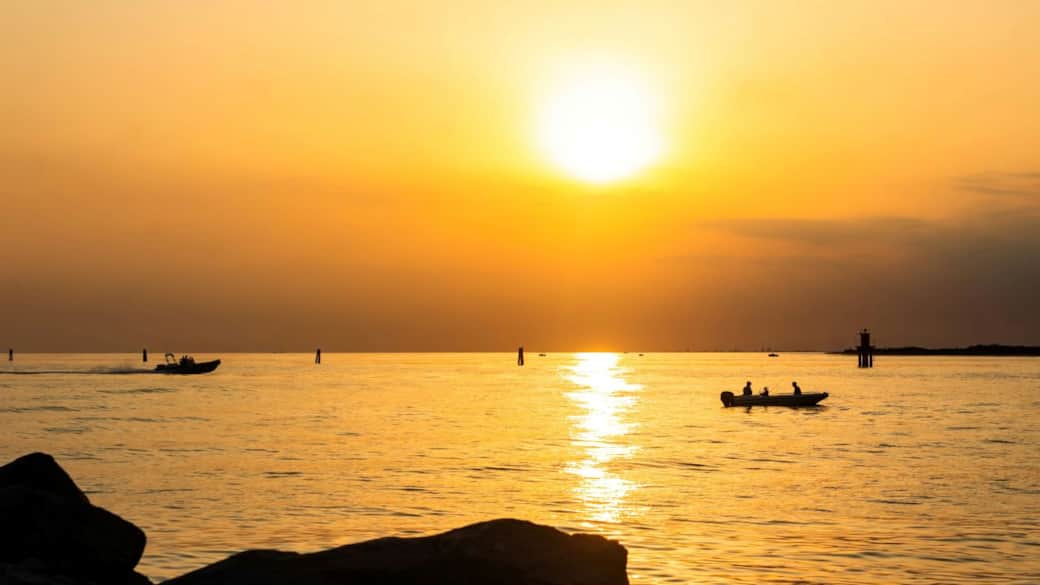
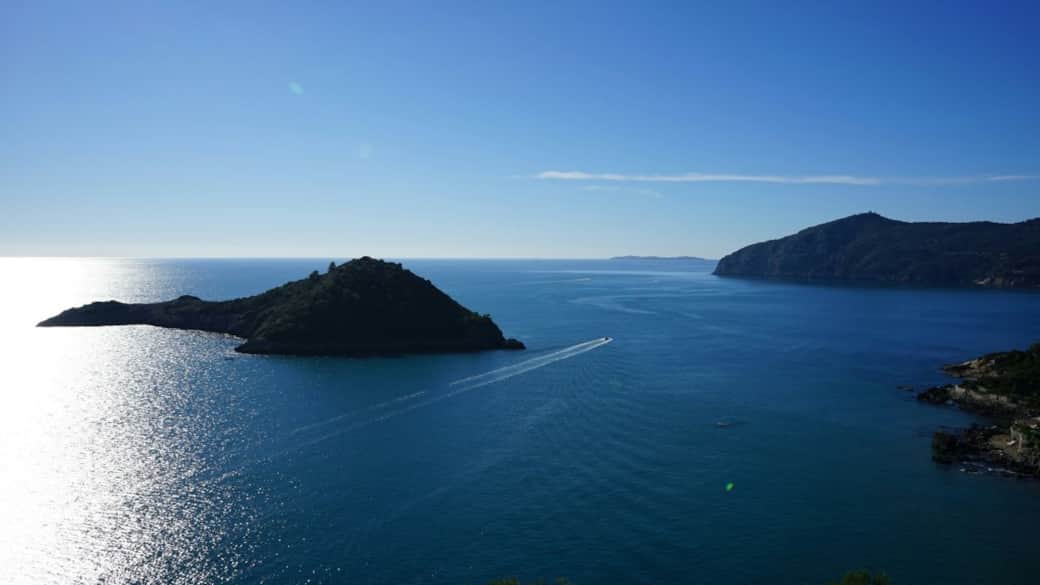
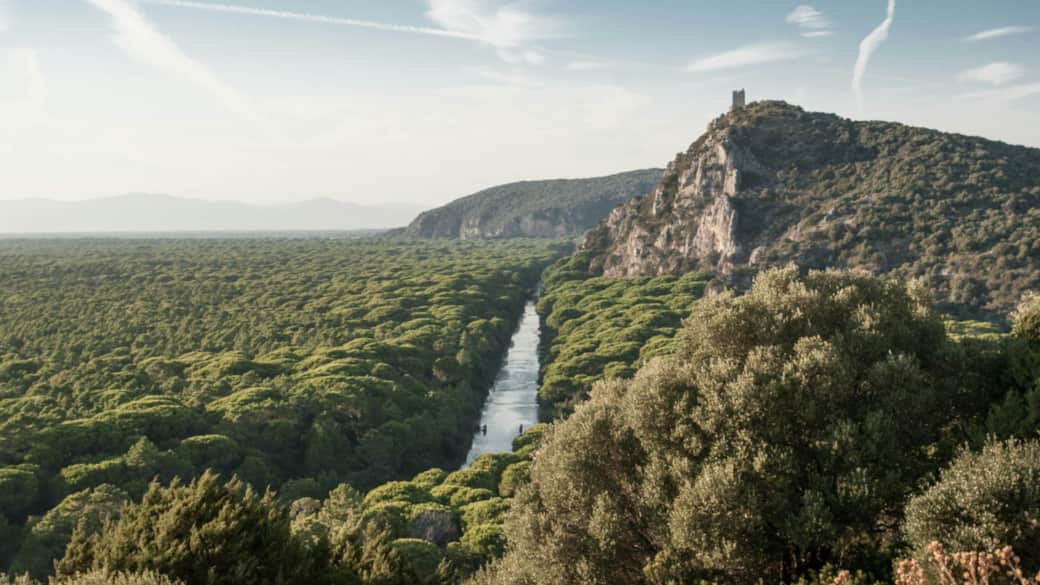
Staying in Gavorrano places you in the wilder, quieter half of Tuscany — a region of medieval hilltop villages, vineyards and olive groves that has stayed refreshingly free of mass tourism. Gavorrano itself is a hilltop village in the province of Grosseto, with cobblestone alleys, ancient stone walls and some of the best sunset views in all of Tuscany, stretching across the countryside to the Tyrrhenian Sea. From here, the coast, Etruscan history, wine country and Tuscany's famous thermal springs are all within easy reach.
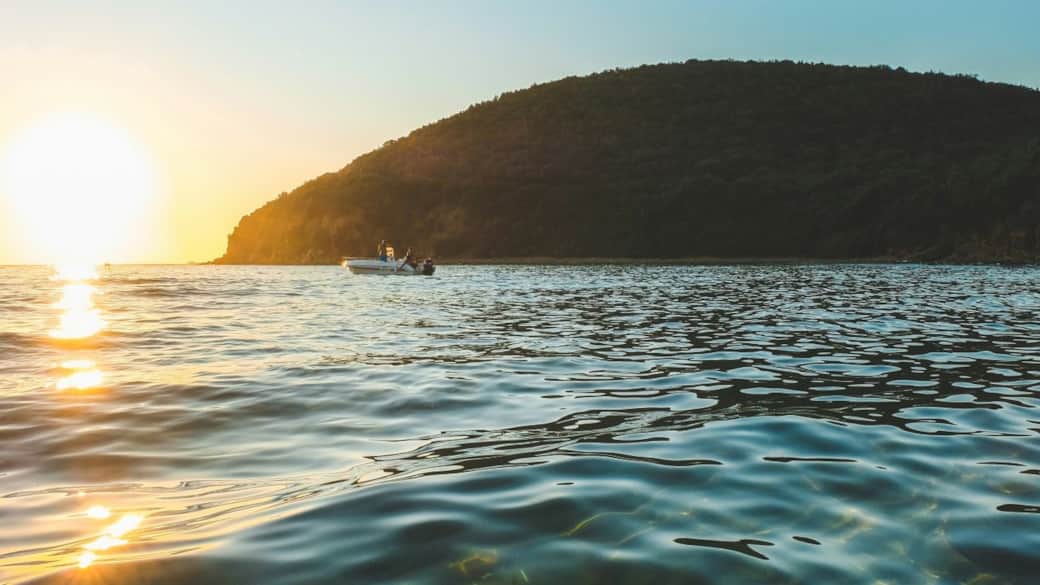
Castiglione della Pescaia is the closest stretch of coast, with sandy beaches, a lively harbour and a medieval old town overlooking the sea. It makes an easy base for a beach day, and is close enough for an evening dinner by the water too.
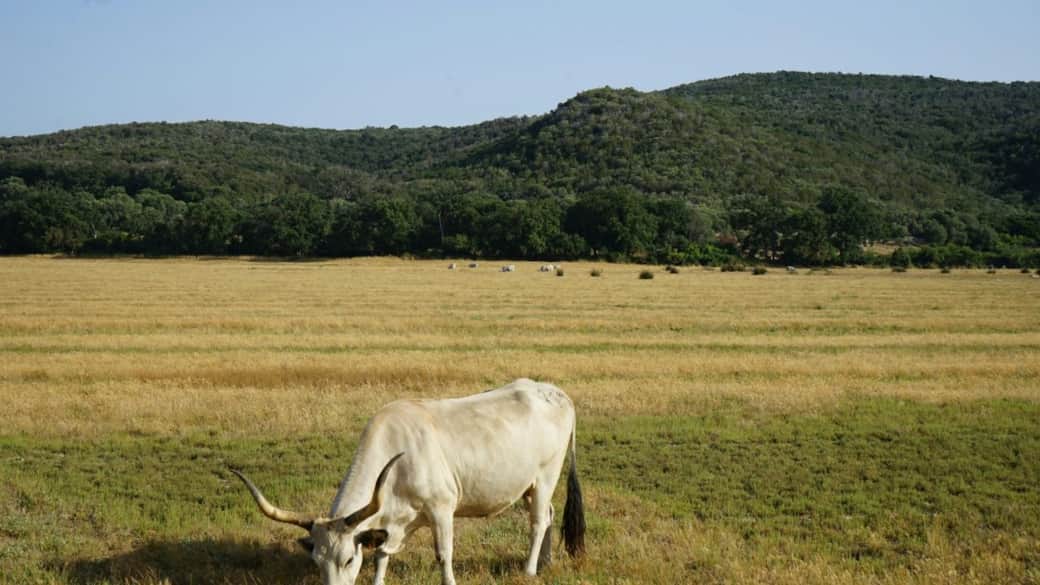
Morellino di Scansano (30 km away) is the celebrated wine appellation surrounding the town of Scansano. The Sangiovese-based Morellino has been produced here for generations, and family-run wineries throughout the hills welcome visitors for tastings and cellar tours.
Vetulonia (15 km away) is one of the most important Etruscan cities in Tuscany, with monumental tombs, an archaeological museum, and a picturesque hilltop village built over the ancient site — well worth a half-day visit for anyone curious about the Etruscans who once ruled this land.
Terme di Saturnia (50 km away) is Tuscany's most famous thermal spring — free, open-air pools of naturally warm sulphur water cascading over white travertine terraces, set in open Maremma countryside. It's an easy half-day trip and one of the most memorable stops in the region.
Massa Marittima charms with its striking Piazza Garibaldi and the Romanesque-Gothic Cathedral of San Cerbone, built diagonally across the square in a uniquely dramatic layout. Wander the cobbled streets, then settle into one of the town's cafés for a glass of local wine.
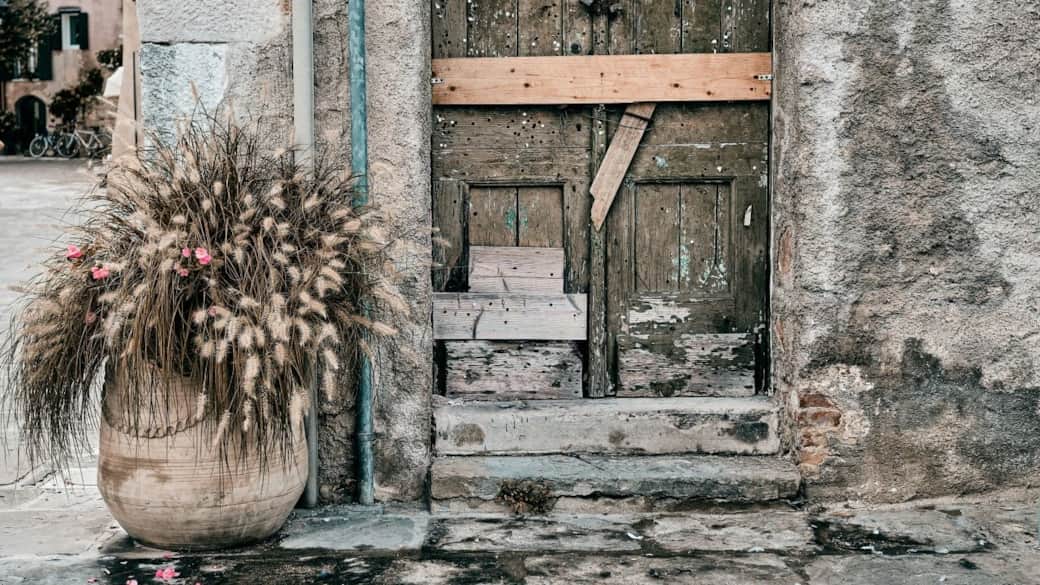
Practical info: Gavorrano's historic centre is walkable, with shops, bars and restaurants just steps from the apartment. A car is recommended for exploring the wider Maremma — the coast, Vetulonia and Massa Marittima are all under 30 minutes' drive, with Saturnia around 50 minutes further.
Day Trips Further Afield
From Ontagnano, you're also well placed for longer day trips. Trieste's border location makes it an easy jumping-off point for forays into nearby Slovenia and Croatia — Ljubljana is around 90 minutes by car, while Piran on the Slovenian coast is under an hour. The Collio wine hills around Gorizia (45 minutes) are excellent for wine tourism, with the added novelty of walking freely between Italy and Slovenia across the Piazza Transalpina border square.
From our apartment in Gavorrano, the Tuscan Maremma opens up day trips of its own. The Etruscan hilltop village of Vetulonia is just 15 km away, the wine town of Scansano — home of Morellino di Scansano DOCG — around 30 minutes by car, and the free open-air thermal pools of Saturnia about 50 km further, making for an easy half-day soak amid the Maremma countryside. For a longer excursion, Florence is roughly 180 km north — a feasible, if full, day trip for anyone wanting to pair Tuscan countryside with a taste of the city.